You've been thinking about learning to trade for months — maybe longer. You watch the TikToks, read the articles, see other women talking about the freedom it's given them. And then the quiet voice in your head pipes up: "Is it too late for me? I'm 44. I'm 51. I've never done anything like this."
If you're asking whether you're too old to learn forex trading, the short answer is: no, you're not. In fact, women who start trading in their 40s and 50s often become some of the most consistent, disciplined traders in our community. Not despite their age — because of it.
This isn't a pep talk designed to get you to sign up for something. It's an honest look at what starting trading later in life actually looks like, what genuine advantages you carry into the process, and what you need to think realistically about before you start.
Is There an Ideal Age to Start Forex Trading?
There isn't. Trading doesn't have a physical component, a reaction-time requirement, or a youth advantage the way some careers or sports do. The skills that matter — patience, discipline, emotional regulation, and risk awareness — tend to deepen with life experience, not fade.
The trading industry skews young and male in its marketing, which creates a false impression that trading is a young person's game. It isn't. The markets have no idea how old you are. Charts don't ask for your date of birth. Your ability to read price action, manage your risk, and follow a trading plan has nothing to do with whether you're 28 or 52.
The real question isn't your age — it's whether you can commit to the learning process and give yourself enough runway to develop real skill. We explore the honest timeline in detail over at how long does it take to learn forex.
What Advantages Do Women in Their 40s and 50s Actually Have?
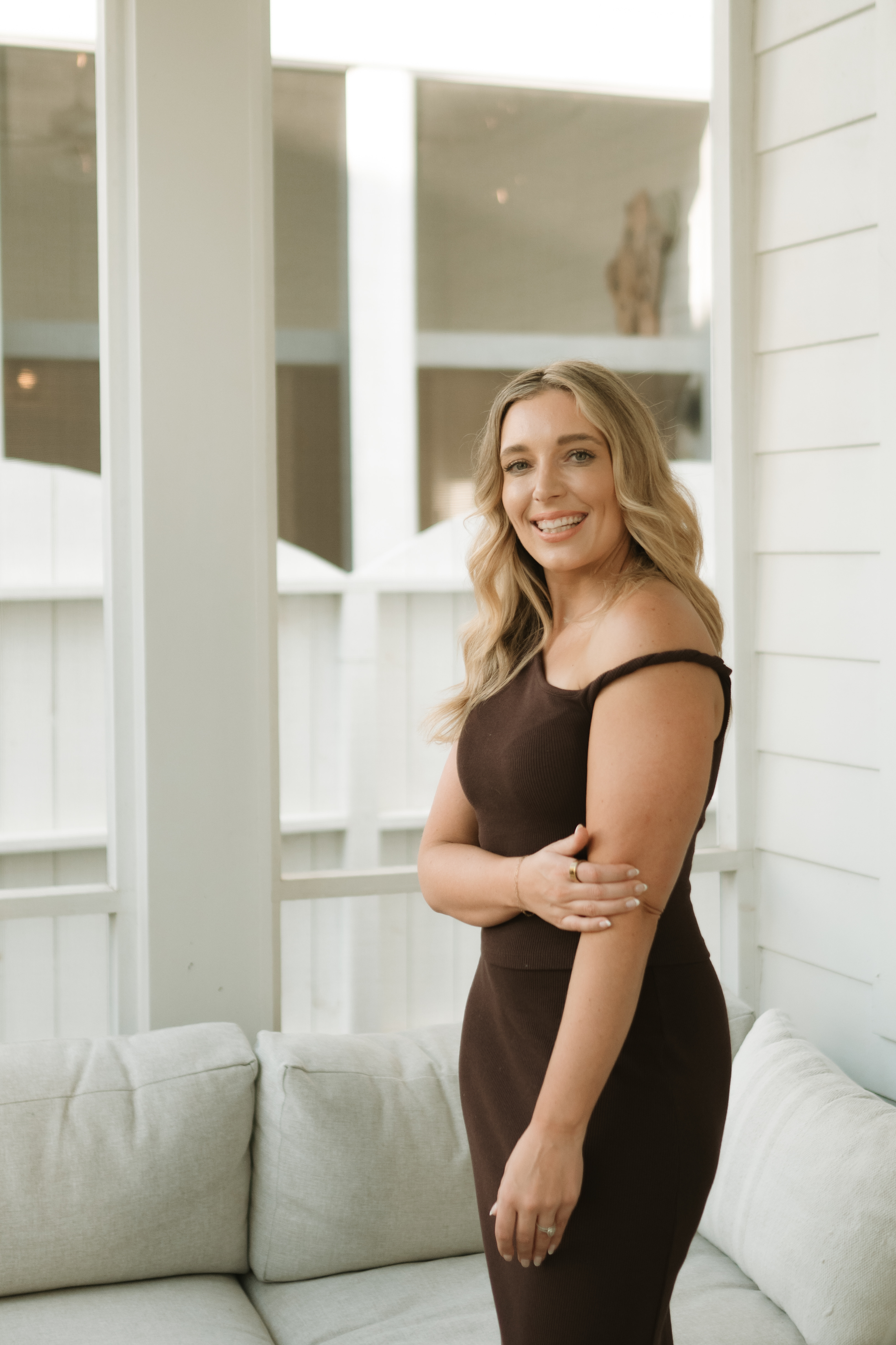
I'm Jemma Wilson, co-founder of TFW Global (formerly Forex for Women). I work with women at every stage of life, and I've watched the pattern play out consistently enough to say this with confidence: women who come to trading with life experience behind them have real structural advantages.
Emotional regulation. One of the hardest parts of trading is staying calm when a position moves against you, or sitting on your hands when you want to chase a trade. Women who've raised families, run businesses, managed teams, or navigated decades of career decisions have practised emotional regulation under pressure in ways that younger traders genuinely haven't. That translates directly.
Risk awareness. If you've managed a household budget, a mortgage, or a business cash flow, you understand that money is real and that losing it has consequences. This sounds obvious, but younger traders often approach trading with a cavalier attitude toward risk that gets them into trouble fast. You're unlikely to have that problem.
Patience. Trading rewards patience in a way that nothing else does. The ability to wait for the right setup, to not force a trade, to close a losing position early without emotional spiral — these are patience skills that compound with age. Young traders frequently blow their accounts because they can't sit still. You probably can.
Life stability. Many women in their 40s and 50s have more financial stability than they did at 25 — a house, a career, an established life. That means they can approach trading as an education investment rather than a desperate income grab. Trading from desperation is one of the fastest ways to blow an account. Trading from stability, with a genuine willingness to learn, is a very different experience.
"Some of the most consistent traders in our community are women who found us in their 40s and 50s. They bring a level of patience and self-awareness that takes younger traders years to develop. The age question comes up every time a new member joins — and every time, the answer is the same: your life experience is an asset, not a liability."
What Are the Real Concerns Women Have When Starting Trading Later in Life?
These come up constantly, and they deserve honest answers rather than dismissal.
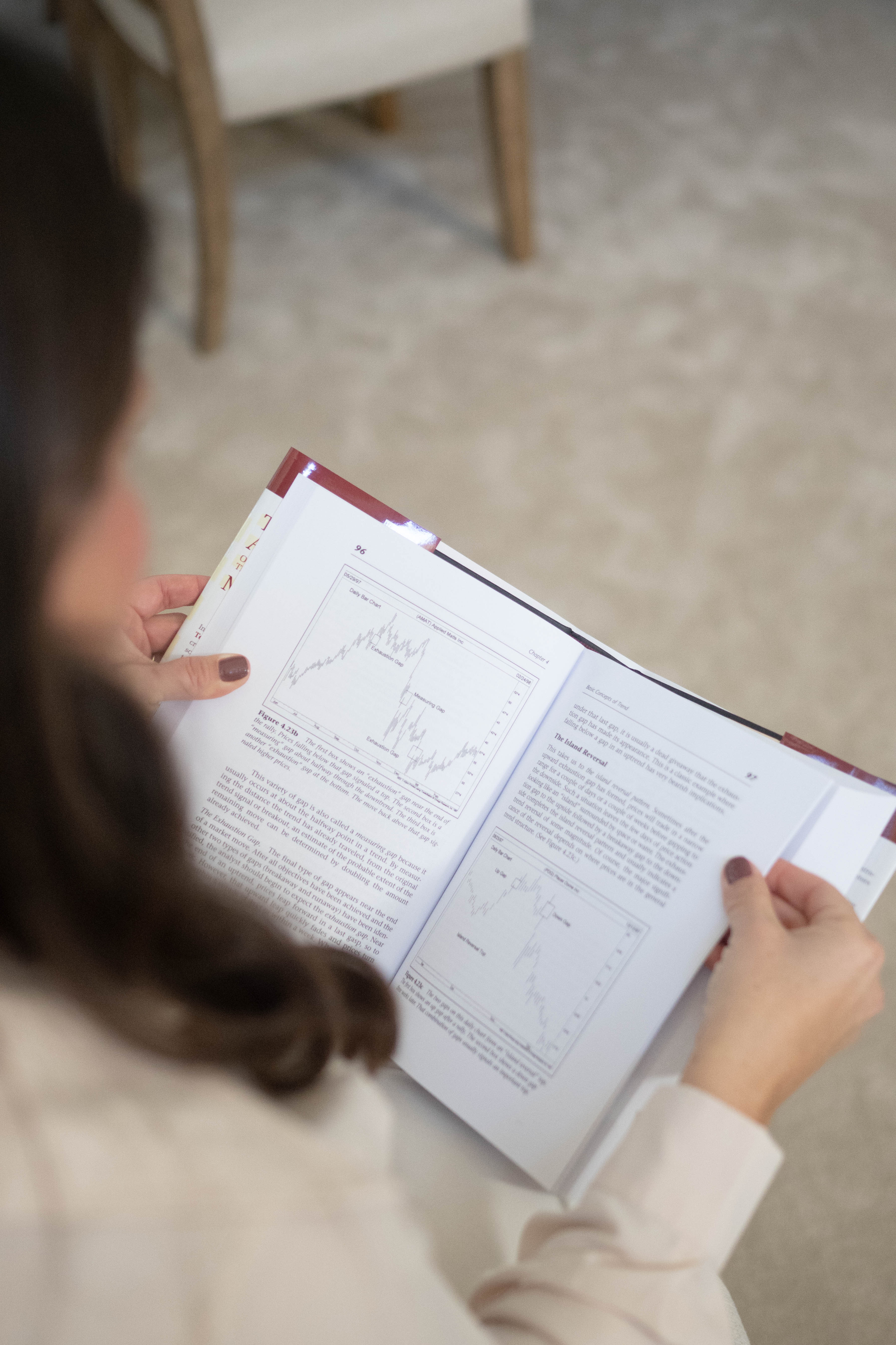
"I'm not technical enough." This is the most common concern I hear, and it's almost always unfounded. Forex trading doesn't require a finance background, a maths degree, or programming skills. The basics — reading a candlestick chart, identifying a trend, placing a stop loss — can be learned by anyone who can use a smartphone. The technical part of trading is genuinely learnable. Our post on how to start forex trading as a woman walks through what this looks like in practice.
"I don't have time to learn something new." This is worth being honest about. Learning to trade does take time — not eight hours a day, but consistent, deliberate practice over months. If you can commit 30-60 minutes a day to education and chart study, and then 1-2 hours when markets are open for your session, you can learn this. The women who make it work aren't spending their whole day on it — they're being strategic about when they show up. Many TFW members trade around family commitments, part-time jobs, and everything else life brings.
"What if I lose money?" Risk management is the very first thing any credible trading education teaches. Before you ever place a live trade, you should understand position sizing, stop losses, and how to limit any single trade to 1-2% of your account. With proper risk management, a losing streak is a lesson, not a disaster. Starting on a demo account (simulated money) gives you months of practice before real capital is involved.
"I feel behind." Behind what? Behind whom? The traders you're comparing yourself to have mostly blown accounts, quit, or are still learning just like you are. There is no race here. Your trading account competes only against the market — not against other traders, not against a timeline someone else set.
"I kept thinking I was too late, that everyone else knew things I didn't. Within three months of joining TFW I realised I was actually further ahead than most of the younger members — I had more patience, more discipline, and I wasn't trying to get rich overnight. I wished I'd stopped making excuses sooner."
How Am I Too Old to Learn Forex Trading? (The Real Answer)
There is one situation where age does create a real constraint — and it's not biological. If you're approaching retirement in 2-3 years and hoping trading will replace a pension or generate income you can live on within that window, that's an unrealistic timeline. Not because you're too old, but because trading skill doesn't develop that quickly regardless of age.
Trading as a learning investment with a 2-5 year horizon, building a skill set and a track record — that's entirely reasonable at 45 or 55. Trading as a guaranteed income replacement within 12 months — that's unrealistic at 25 too.
If you have time, reasonable starting capital, and genuine interest in learning, age is not the barrier. The barrier is usually mindset — and that's fixable.
Practical First Steps for Women Starting Trading in Their 40s and 50s
Here's what a sensible starting point looks like:
- Open a free demo account with a regulated broker (Pepperstone, OANDA, or IC Markets are popular choices) — no real money required
- Set up TradingView (free version) and start watching how currency pairs move — just observation, no trading yet
- Join a structured learning community rather than piecing things together from YouTube (the quality gap is significant)
- Give yourself 3-6 months of demo trading before considering a small live account
- Track everything in a trading journal from day one — what you notice, what confused you, what clicked
Confidence is built in layers. You don't need to feel ready before you start — you feel ready by starting. If you want to read more about how confidence develops in new traders, our post on building confidence as a woman trader covers exactly that.
The honest benchmark: Most women who approach trading seriously and with community support are placing their first live trades within 3-4 months, and developing genuine consistency within 9-18 months. This timeline doesn't change meaningfully based on your age — it changes based on how consistently you show up.
You Don't Have to Figure This Out Alone
The hardest part of starting anything new as an adult isn't the learning curve — it's the isolation. Trying to learn trading from YouTube tutorials and blog posts while wondering if you're doing it right is exhausting and slow. Having a community of women at every stage of the journey, with coaches who trade the same markets and answer real questions in real time, changes the experience completely.
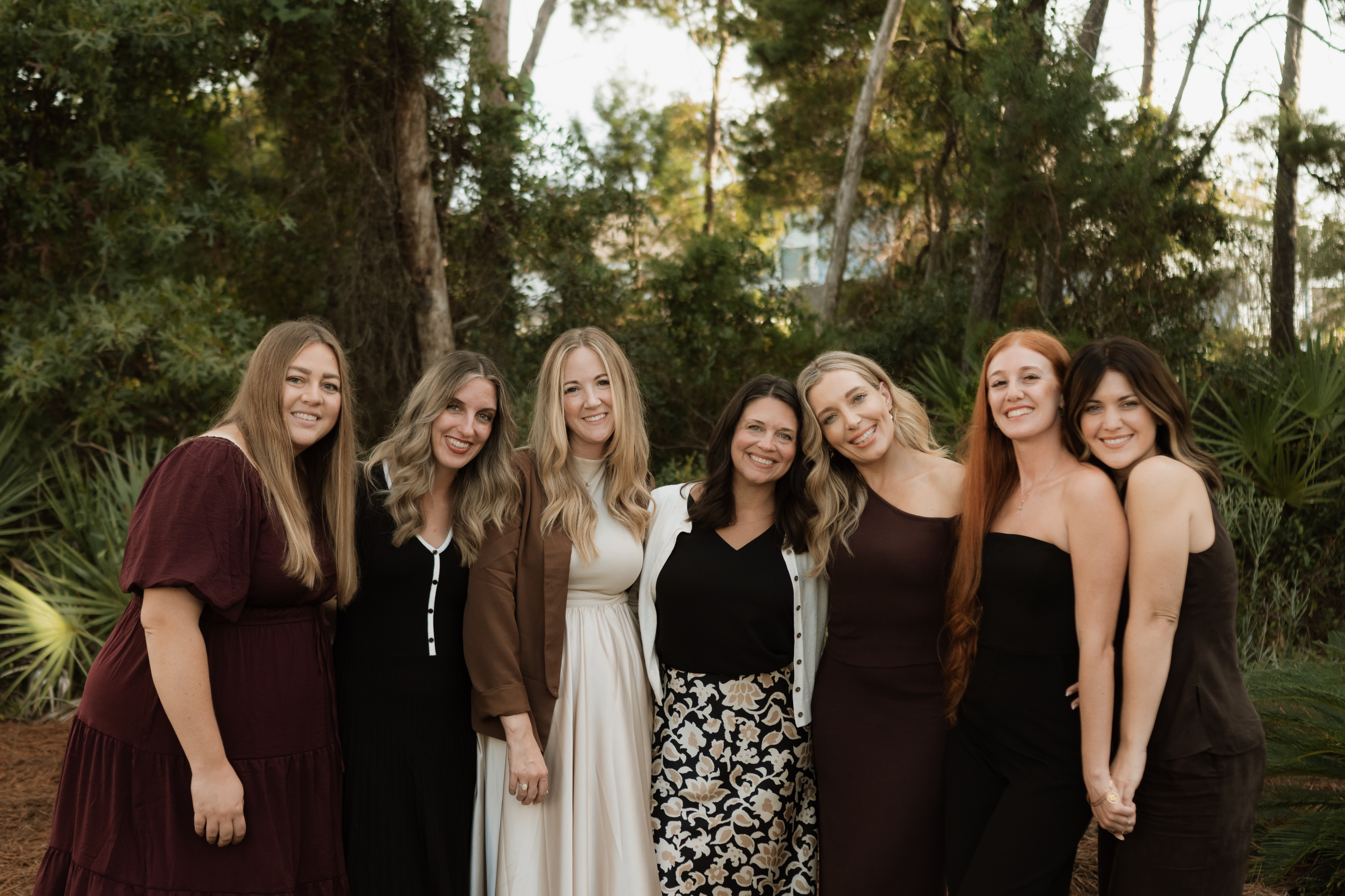
That's what TFW Global was built for. Our community (found on Skool at $35/month) includes women from their 20s to their 60s — because trading doesn't have an age limit and neither does our community. Learn more on our about page or head straight to membership details to see what's included.
You've already spent time wondering if it's too late. That time is spent whether you start or not. The question is what you do next.
Ready to put this into practice?
Browse our vetted broker & prop-firm rankings, or join the community.