Is forex trading hard for beginners? Here's the honest answer: yes, it has a real learning curve — but it's nowhere near as difficult as the trading industry makes it look. The better question most women should be asking is: hard compared to what?
Compared to becoming a surgeon? Not even close. Compared to scrolling YouTube for tips? Absolutely harder. Forex trading sits somewhere in the middle — and with the right approach, most determined beginners can learn the foundations within a few months.
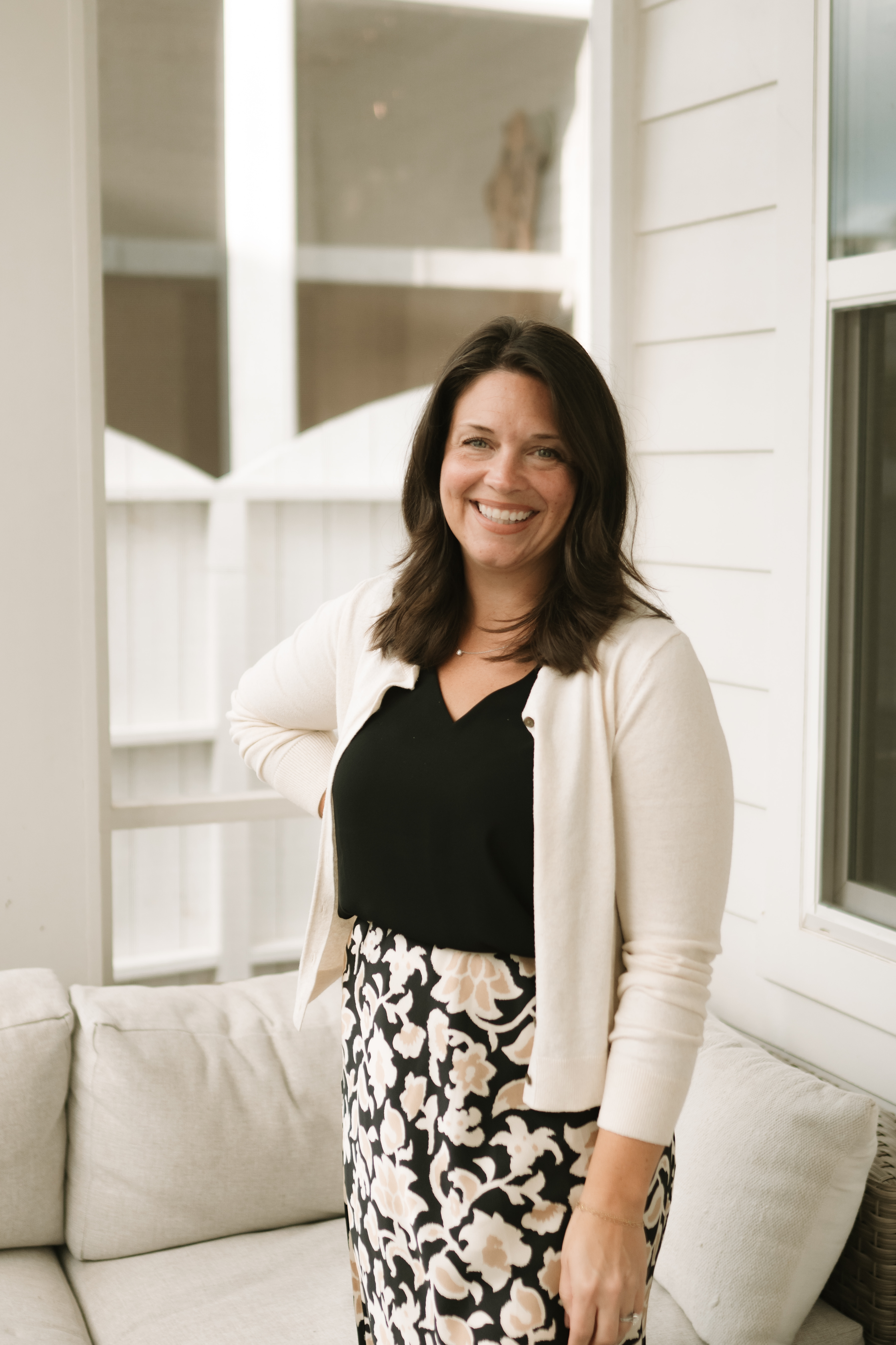
I'm Amanda Custer, co-founder and head trader at TFW Global (formerly Forex for Women). I've watched hundreds of women go from "what even is a pip?" to placing consistent, profitable trades. Here's the real answer about how hard forex is for beginners — and what actually separates those who make it from those who quit.
Why Does Forex Trading Feel So Hard at First?
The trading industry has a vested interest in making things seem more complicated than they are. Complex-looking charts, jargon-heavy tutorials, and a culture of gatekeeping all contribute to the feeling that forex is reserved for finance professionals with maths degrees.
The truth? The basics of forex can be learned by anyone willing to put in consistent effort. What makes it feel hard is usually one of these five things:
- Information overload — you've watched 40 different YouTube videos and they all contradict each other
- No clear learning path — you're jumping between indicators, strategies, and platforms with no structure
- Emotional reactions — fear of losing real money makes decisions feel impossibly stressful
- Unrealistic expectations — expecting to be profitable in week three leads to rapid discouragement
- Learning alone — making mistakes with no one to explain what went wrong
None of these are intelligence problems. They're structural problems. And every single one is solvable.
Is Forex Hard for Beginners? What's Genuinely Difficult vs What Only Seems That Way
To answer this question honestly, let's separate the genuinely difficult parts from the things that only look complicated from the outside.
The genuinely challenging parts:
Trading psychology. Managing your emotions when real money is on the line is harder than any technical skill. Fear, greed, and impatience trip up even experienced traders. This is the part most people don't expect — and the part that makes or breaks most beginners.
Patience and consistency. Forex rewards disciplined, patient behaviour. If you're naturally impulsive, building the discipline to follow your rules takes deliberate and ongoing work.
Accepting losses gracefully. Every trader loses trades — regularly. Learning to keep losses small, not revenge-trade after a bad day, and maintain confidence through drawdown takes practice and a healthy relationship with risk.
The parts that only seem hard:
Reading charts — candlesticks, support and resistance, basic indicators. These look overwhelming at first but become second nature within a few weeks of daily practice. We wrote a plain-English breakdown here: How to Read a Forex Chart (Even If Numbers Make Your Eyes Glaze Over).
Understanding forex pairs — there are hundreds of pairs but beginners only need two or three to start. The complexity shrinks dramatically once you focus on the majors.
Risk management formulas — position sizing sounds intimidating but involves maths you can do in 30 seconds with a calculator. Once you understand the formula, it becomes automatic.
"The women who struggle longest are usually trying to learn everything at once. The women who progress fastest pick ONE strategy, learn it deeply, and ignore everything else until they're consistent. Simplicity is a superpower in forex."
How Long Does Forex Actually Take to Learn?
This is where most beginners get hurt — not by losing trades, but by quitting right before things would have clicked.
Based on hundreds of women I've seen come through TFW Global, here's a more realistic timeline:
Months 1-2: Foundations — chart reading, pairs, basic indicators, risk management. Everything feels new and slightly overwhelming. This is completely normal.
Months 3-4: Strategy practice on demo. You'll have wins and losses and start noticing patterns in your own behaviour. Emotional reactions are still high.
Months 5-6: Building consistency on demo. Fewer impulsive decisions, more systematic thinking. Some members transition to small live accounts here.
Months 6-12: Building confidence with live trading. Small positions, focus on process over profit. The psychological shift to real money is real — expect an adjustment.
12-18 months+: Genuine consistency. Not every week is profitable, but you have a system you trust and the discipline to follow it.
For a detailed timeline breakdown, see How Long Does It Take to Learn Forex Trading? (The Honest Timeline).
Is Forex Trading Harder for Women Than for Men?
The short answer: no. In fact, research consistently shows that women often outperform men as traders on average — they take fewer impulsive risks, follow their rules more consistently, and are less likely to overtrade chasing excitement or ego-driven decisions.
What can be harder for women is the environment. Most trading content was created by men, for men. The forums can feel hostile. The culture often doesn't leave space for questions, for vulnerability, or for the reality that many beginners are mothers, employees, and caregivers fitting learning around a full life.
What the research shows: Studies from Fidelity and Warwick Business School have found that women outperform men in investing and trading over time — primarily because they trade less frequently, stick to their strategies, and avoid chasing hot tips.
The technical difficulty of forex is the same for everyone. The cultural difficulty is exactly why women-specific trading communities exist — and why they make such a measurable difference to outcomes.
What Actually Makes Forex Easier to Learn
Based on the women I've watched progress through TFW Global, here's what separates those who get it relatively quickly from those who struggle for years:
- A structured learning path — not "watch everything available", but a curriculum that builds from basics to complexity in a logical sequence
- A clear strategy to practise — one strategy, applied consistently on demo, beats knowing 20 strategies superficially
- Real-time feedback on your trades — knowing why a trade didn't work is worth more than knowing it didn't
- A community of peers — women at a similar stage who share struggles and wins without judgment
- Consistent accountability — showing up regularly, even when trading feels hard and unrewarding
This is why a structured, mentored community accelerates learning so dramatically compared to the solo YouTube route. Both are possible. One is much faster.
"I spent six months trying to learn forex on my own. I kept hitting the same walls. Within two months of joining TFW and having a clear structure plus live coaching, I had more understanding than in all those months alone. It wasn't that I was doing it wrong before — I just had no map."
Is Forex Right for You?
Forex might be a good fit if:
- You can commit 30-60 minutes a day to learning, at least in the first few months
- You're willing to trade on demo for several months before going live with real money
- You accept that there will be losing trades — regularly — and that this is not failure
- You're looking for a skill to build and scale over years, not an instant income source
It might not be the right time if:
- You need income in the next three months (trading is not a quick financial solution)
- You're under significant financial stress and would be trading money you can't afford to lose
- You're not ready to be a consistent student — forex rewards regular effort, not sporadic bursts
Where to Start If You're Ready
The single best first step is a demo account paired with a structured learning plan. Practice costs nothing, and it's where all the foundational habits are built — before any real money is at risk.
If you want a clear path rather than the scattered YouTube route, communities like TFW Global exist for exactly this reason. A structured curriculum, live coaching from women who trade these markets every day, and a community of hundreds of women at every stage — from total beginners to experienced traders managing their own accounts.
Ready to Take the Next Step?
Forex isn't easy — but it's absolutely learnable. The women making it work aren't exceptional. They found the right environment and stayed consistent.
TFW Global (formerly Forex for Women) was built for this exact moment — when you're curious, a little intimidated, and wondering whether trading could genuinely work for you. Based on what we've seen from our members, the answer more often than not is yes.
Join the TFW Global community for $35/month — live coaching, structured courses, and a community of women who started exactly where you are and kept going.
Have questions about what to expect in your first few months? Our FAQs page covers the most common beginner questions from women just like you.
Ready to put this into practice?
Browse our vetted broker & prop-firm rankings, or join the community.