You've read the beginner guides. You've watched the tutorials. You've opened a demo account and placed your first trades. And yet something still feels off — like you're doing everything right but not getting the results you expected.
The most common beginner trading mistakes women make aren't about intelligence or aptitude. They're about the patterns nobody warned you about before you started. Patterns that quietly erode your confidence, your account, and eventually your motivation to keep going.
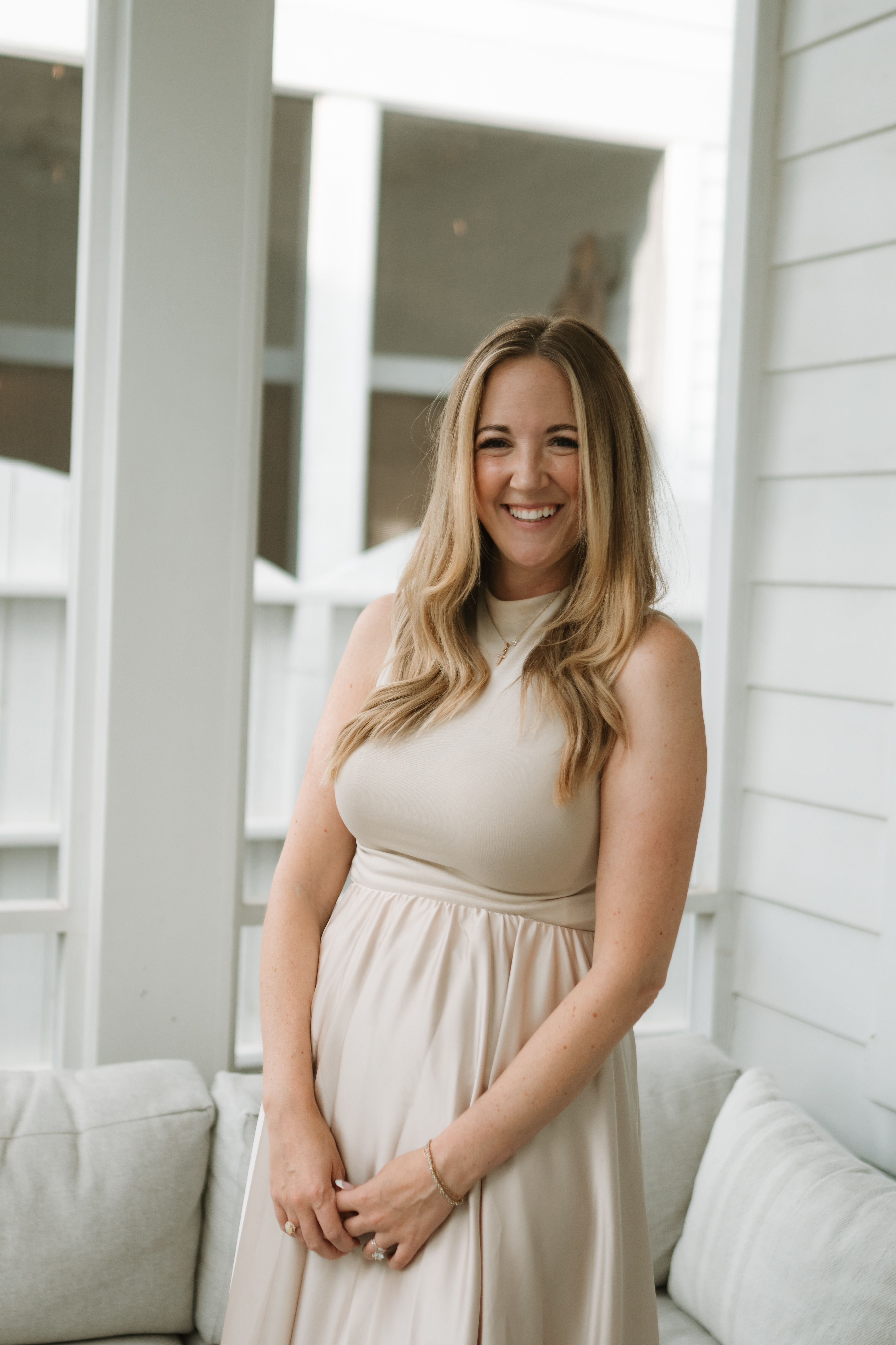
I'm Amanda Custer, co-founder and head trader at TFW Global (formerly Forex for Women). I've coached hundreds of women through their first year of trading, and I see the same five beginner trading mistakes surface again and again. The good news? Every single one is fixable — once you know what to look for.
Why Do So Many Beginners Struggle in Their First Year of Trading?
Trading looks deceptively simple from the outside. You see the chart. You see the opportunity. You click buy. How hard can it be?
The reality is that trading is one of the few skills where the learning curve doesn't reward confidence — it punishes it. The beginners who progress fastest are the ones who stay humble, stay consistent, and learn from every single trade. The ones who struggle are usually making one of these five beginner trading mistakes — mistakes that feel invisible until someone names them for you.
Mistake #1: Trading Without a Written Plan
This is the most common beginner trading mistake I see, and it's the one that does the most damage early on. You see a setup that looks good. The market is moving. You jump in — without defined entry criteria, without a clear stop-loss, without knowing exactly when you're getting out.
What happens next is predictable: the trade goes against you a little, and suddenly you're making decisions under pressure. You move your stop. You "give it more room." You hope. By the time you close the trade, you've either lost more than you meant to, or you've talked yourself into holding a position way past where you should have exited.
The fix: Before you place any trade, write down your entry price, your stop-loss level, your take-profit target, and the specific reason you're entering. Stick to it. Not a rule you bend — a rule you follow. Every time.
"The trades that hurt my account the most weren't the ones where I had a plan and the plan failed. They were the ones where I went in without a plan at all."
Mistake #2: Risking Too Much Per Trade
Most beginner women traders either risk too much (because they want to see results faster) or too little (because they're so afraid of losing they can never build confidence with live trades). Both extremes cause problems.
Risking 5%, 10%, or more of your account on a single trade is one of the fastest ways to wipe yourself out. A losing streak of five or six trades — which every trader experiences — can cut your account in half. And once you're down 50%, you need a 100% gain just to get back to where you started.
The fix: Risk 1–2% of your account per trade, maximum. It feels small when you're starting. But it also means a losing streak is recoverable, and a winning streak compounds properly. Risk management as a beginner trader is one of the most underrated edges you can build — learn it early and it will save your account more times than you can count.
- Keep your risk per trade at 1–2% of total account balance
- Calculate your position size BEFORE entering — not after
- A string of losses should dent your account, not destroy it
Mistake #3: Jumping Between Strategies Before Mastering One
I call this the shiny object syndrome of trading. You spend two weeks on a trend-following strategy. Then you see a video about scalping and switch. Then someone in a forum mentions Fibonacci retracements and you're off again.
Three months in, you have surface-level knowledge of ten different approaches and deep expertise in none. You can't distinguish between "this strategy doesn't work" and "I haven't learned this strategy yet" — because you've never stuck with anything long enough to find out.
The fix: Pick one strategy that suits your schedule, your risk tolerance, and your personality. Commit to it for a minimum of 30–50 trades before you evaluate whether it's working for you. The goal isn't to find the perfect strategy — it's to understand your strategy deeply enough to execute it consistently under pressure.
What we teach at TFW Global: Every member starts by building ONE core strategy under the guidance of our coaches — not a library of techniques, but deep competency in a single approach that fits their trading style and schedule.
Mistake #4: Ignoring Your Emotional State Before Trading
This one is less talked about, but it matters enormously. Trading when you're stressed, exhausted, angry, or desperate for a win is one of the most common beginner trading mistakes women overlook — because it feels like the market is the problem, when actually the issue is in the chair.
When you're emotionally activated, you take worse entries, hold losing trades too long, and exit winning trades too early. Your rational decision-making takes a back seat to your feelings. Trading psychology for women is a real, measurable edge — not just a soft topic.
The fix: Before every session, do a quick emotional check-in. Rate how you're feeling, 1 to 10. Anything below a 6? Don't trade. Walk, journal, do something that grounds you before you look at the charts. Give yourself permission to sit out sessions where you're not in the right headspace. Missing a session costs nothing. Trading badly costs real money.
- Log your emotional state in your trading journal alongside every trade
- Identify when your worst trades happen — days, times, emotional triggers
- Build a pre-trading routine that centres you before you open the charts
Mistake #5: Treating Every Missed Trade as a Loss
You spotted a setup, hesitated, and watched it play out exactly as you expected — without you in it. The FOMO hits hard. Next time, you rush the entry just to avoid missing it again. And that's when the real mistake happens.
Missing a good trade is not a loss. It's a neutral event. The only way a missed trade costs you anything is if you FOMO into the next entry and compromise your rules just to catch it.
The fix: Reframe what success means in your early trading. Success isn't catching every move — it's following your plan on the setups you do take. There will always be another setup. A missed trade that would have been a winner is infinitely better than a rushed entry that becomes a loss.
"I used to feel sick every time I missed a good setup. Now I log it as a valid miss and move on. My results improved the moment I stopped chasing trades that weren't mine."
How TFW Global Helps Women Avoid These Patterns
Every single one of these beginner trading mistakes is something our coaches have personally made — and that our members work through every week inside the TFW community. That's the difference between learning alone and learning with support: when you hit a pattern that's hurting your results, there's someone there to name it, explain why it happens, and show you the path out.
At TFW Global, our coaches deliver live mentoring sessions, trade reviews, and daily community engagement — not because mistakes make you a bad trader, but because they're a completely normal part of the learning process. The women who progress fastest aren't the ones who never make mistakes. They're the ones who catch them earlier and fix them faster.
Ready to Trade With Support Behind You?
If you've been feeling like you're spinning your wheels — learning things but not improving, losing trades you thought you understood — you might just need the right environment to change that.
TFW Global (formerly Forex for Women) is a women-only trading community where coaches who actually trade help you build real skills from the ground up. For $35/month you get live sessions, structured courses, a supportive community, and coaches who are with you every step of the way.
Join the TFW Global community and start trading with support — not solo and frustrated.
Ready to put this into practice?
Browse our vetted broker & prop-firm rankings, or join the community.